
Welcome to the Official Site of Orchids of Hawaii
We are dedicated to keeping the History, Traditions, and Fun of the world of Tiki Lifestyle.
Explore the Classics
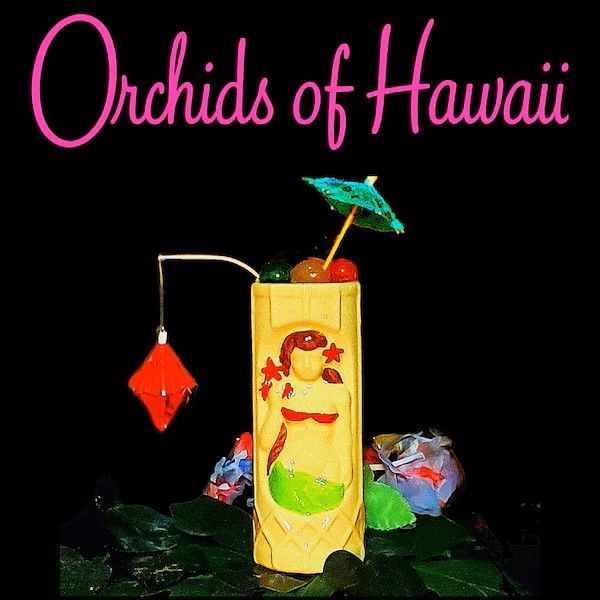
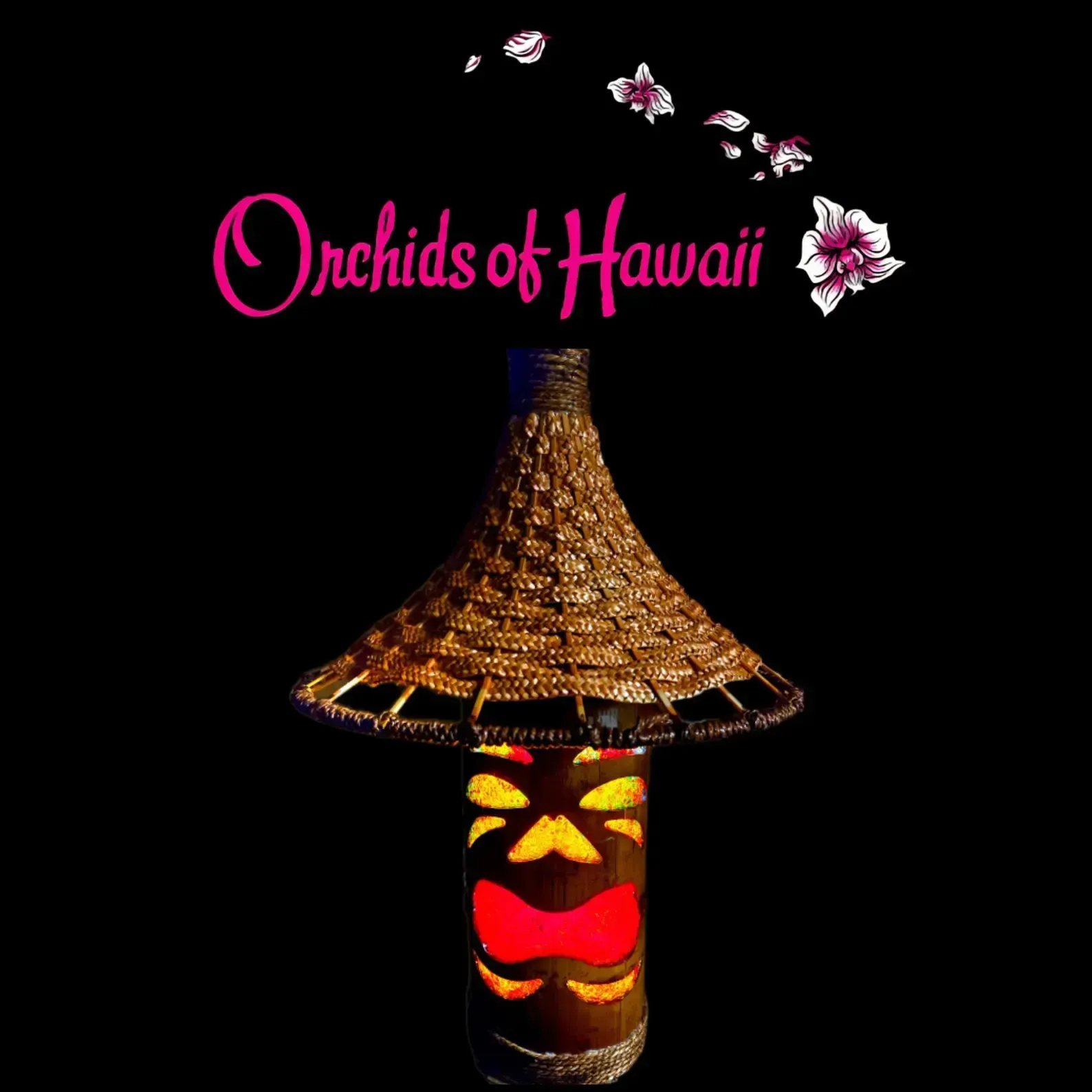
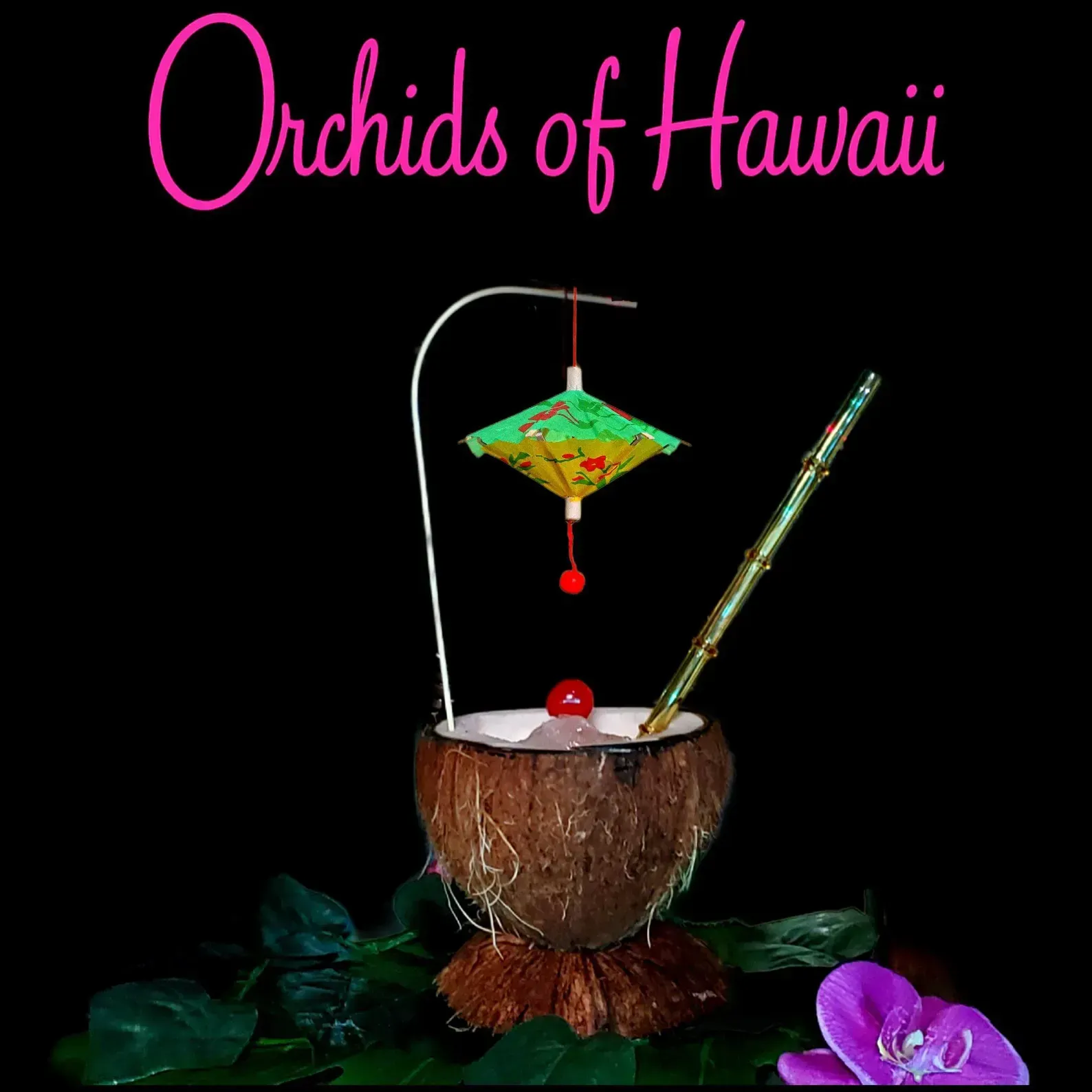
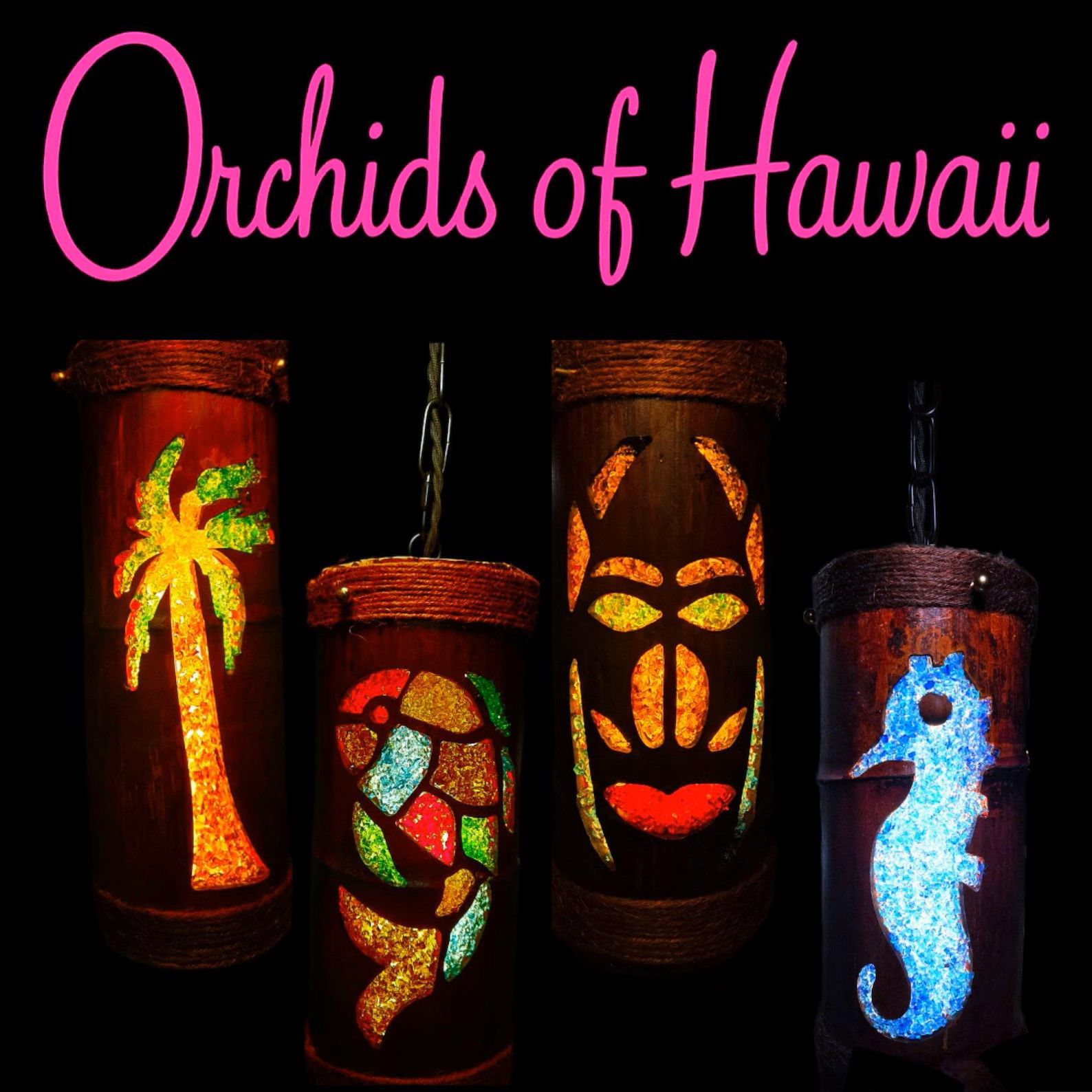
Tiki: The Art Escape
Long before social media, before budget airlines, before the idea of working remotely from paradise, there existed a dream—an imagined South Pacific built from fragments of real places and stories. Drawing inspiration from Polynesia, Hawai‘i, the Marquesas, and Tahiti, this dream was filtered through memory, storytelling, and design. It was not geography, but atmosphere. Bamboo walls, flickering light, carved forms, and the distant suggestion of ocean waves created something transportive. For a few hours, you weren’t in Los Angeles, Chicago, or New York. You were somewhere else; you were in Paradise.
This idea of escape was never accidental. It was carefully constructed—designed environments that invited people to step out of their daily lives and into something slower, warmer, and more intentional. In many of these spaces, every object played a role in shaping that experience. Even the vessels used to serve a drink—were handcrafted, expressive, and deeply tied to the visual language of the time—became part of the illusion. Mid-century makers like Orchids of Hawaii helped define this language, creating forms that blurred the line between functional object and storytelling artifact.
The mid-twentieth century marked a turning point in how Americans imagined Hawai‘i. Following World War II, travel to the islands became more accessible, and Hawai‘i itself emerged as a powerful symbol of beauty, leisure, and possibility. When it became the fiftieth state in 1959, that symbolism only deepened. For many, Hawai‘i was not simply a destination—it was a far away island where one could drop the drab and put on beautifully colored clothing . The scent of plumeria, the rhythm of slack-key guitar, the ease of island time. Back on the mainland, these elements were transported, reinterpreted—not always perfectly, but with intention. Designers, artists, and bartenders began translating the feeling of Hawai‘i into environments people could enter without ever boarding a plane.
By the 1950s, Tiki had become a cultural phenomenon across America. Restaurants and bars, most notably those created by pioneers like Donn Beach and Victor J. Bergeron, offered more than food and drink. They offered immersion. Cocktails were theatrical, spaces were layered, and every detail—from carved wood to ceramic vessels—contributed to a sense of narrative. It was within this environment that brands like Orchids of Hawaii found their place, producing pieces that would live both inside these establishments and later in homes, extending the experience beyond the bar and into everyday life.
For a generation shaped by war and recovery, Tiki became a place to exhale. It was celebratory, but also deeply emotional—a constructed paradise where joy felt within reach. It was also communal. Friends gathered, couples lingered, and entire rooms shared in the same illusion, if only for an evening.
Today, Tiki is often misunderstood as nostalgia or novelty, but its deeper appeal has never disappeared. If anything, it has become more relevant and can be seen today with all of the new Tiki bars opening up in towns and being built in homes by enthusiasts in local neighborhoods. For a generation navigating constant connectivity, economic pressure, and digital overload, the desire for escape has only intensified. The difference is how that escape is expressed. Modern audiences are not looking for imitation—they are looking for intention. They seek environments that feel considered, objects that carry story, and experiences that slow time down rather than accelerate it.
That shift has created a renewed appreciation for craftsmanship and origin. Vintage pieces—and the stories behind them—are no longer just collectibles; they are reference points. They inform a new generation of creators and brands who are approaching Tiki not as costume, but as design language, and history. The revival of Orchids of Hawaii exists within this space, not as a reproduction of the past, but as a continuation—guided by the same principles of atmosphere, detail, and experience.
At its best, Tiki was never chaotic. It was composed. There was a ritual to it—the preparation of a drink, the presentation of a vessel, the layering of light and sound, the pacing of an evening. These rituals matter again. In a world defined by immediacy, they create something increasingly rare: stillness. You sit, you sip, you stay. And for a moment, that is enough.
Tiki is not frozen in the past. It evolves, adapts, and reflects the people who carry it forward. Today, there is a growing awareness around cultural origins, craftsmanship, and authenticity. The future of Tiki lies not in replication, but in respectful reinterpretation—honoring its inspirations while creating something new. That balance, between history and innovation, is where the most meaningful work happens. It is also where legacy brands, once dormant, find new life—reintroduced not as artifacts, but as living contributors to an evolving tradition.
Tiki endures because it offers something essential. Not just a place, but a feeling. A carefully built world where the weight lifts, the light softens, and time expands—if only briefly. And in that space, something simple but powerful returns: a sense of wonder.